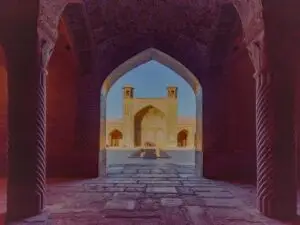
The Hawza, or seminary of Islamic learning, has for centuries served as the backbone of Shiʿi intellectual and spiritual life. Rooted in the historic centres of Najaf and Qom, the Hawza has nurtured scholars who transmit, interpret, and renew the religious sciences. In recent decades, however, a new chapter has begun to unfold: the establishment of Hawza institutions in the West.
This development is more than a matter of geographical expansion. It represents a transformation in how Islamic scholarship is lived, taught, and contextualised within societies that are both culturally diverse and intellectually pluralistic.
A Historical Continuity
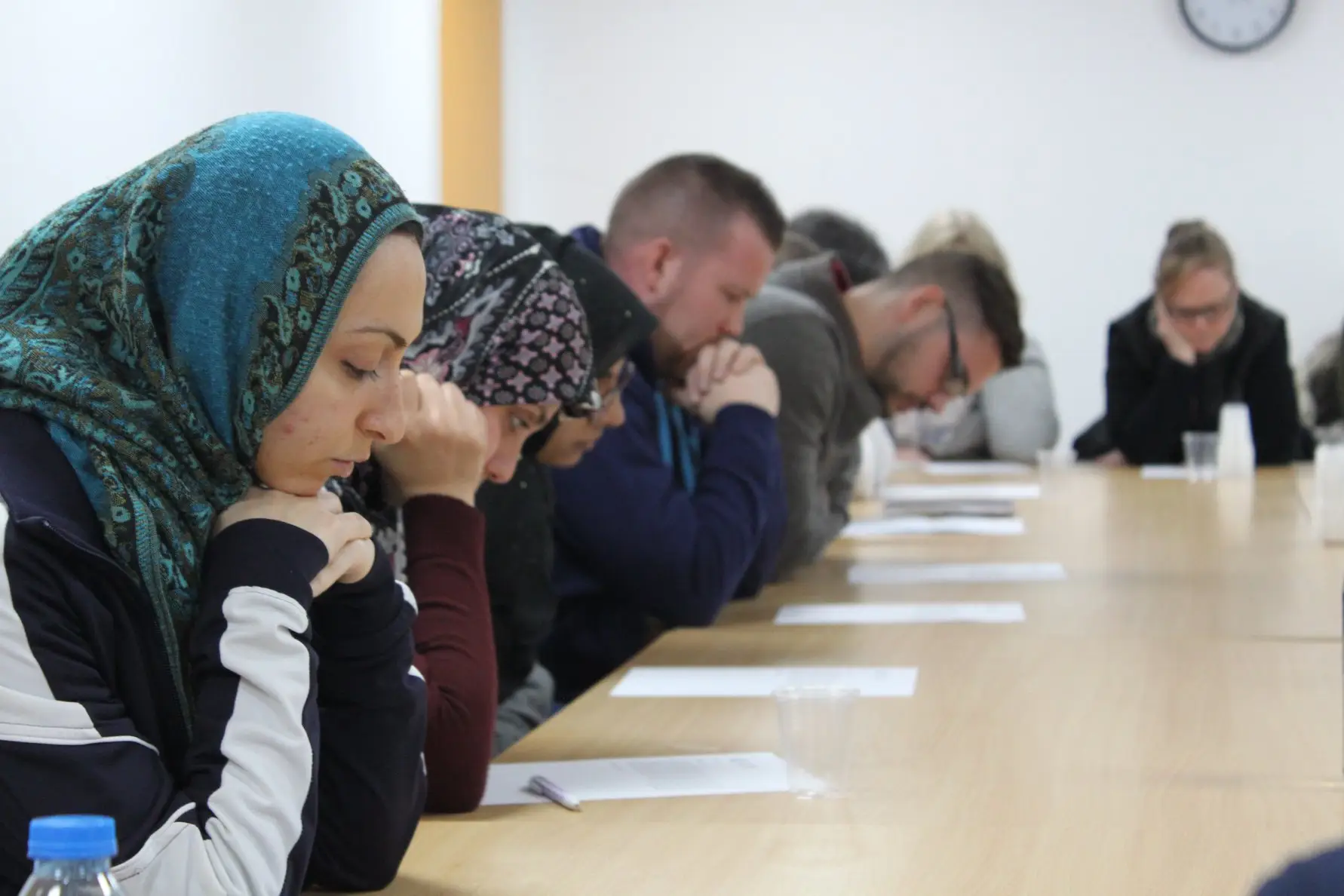
The traditional Hawza model is characterised by its emphasis on mastery of Arabic, Qurʾanic sciences, jurisprudence, theology, and philosophy. It is a system where the student learns through close study with teachers, progressing gradually from foundational texts to advanced commentaries. Western Hawzas, while rooted in this classical tradition, face the added challenge of preparing students to live and teach Islam in environments shaped by secularism, modern science, and liberal democratic values.
New Contexts, New Demands
One of the driving reasons for Hawzas in the West is the need for religious leadership that understands both the Islamic intellectual heritage and the realities of Western society. Communities often look to graduates of the Hawza not only for religious rulings but also for guidance on questions of ethics, citizenship, identity, and interfaith relations.
Western seminaries thus adapt their curricula in important ways. Alongside the study of Qurʾan, hadith, and fiqh, they frequently incorporate courses on philosophy of religion, comparative theology, psychology, sociology, and even contemporary political thought. This allows students to place Islamic tradition in conversation with the questions and challenges that dominate modern public life.
Challenges and Opportunities
Running a Hawza in the West is not without its challenges. Language is one: many classical texts remain in Arabic or Persian, and translating them without losing depth requires both scholarly skill and pedagogical creativity. There is also the question of authenticity—how to remain faithful to centuries of scholarship while engaging critically with modern academic methods.
Yet these challenges also offer opportunities. A Western Hawza can become a bridge between Islamic and non-Islamic intellectual traditions. It can encourage open dialogue rather than defensive isolation. And it can train a new generation of scholars who speak both the language of the classical seminary and that of contemporary academia.
The Future of Hawza in the West
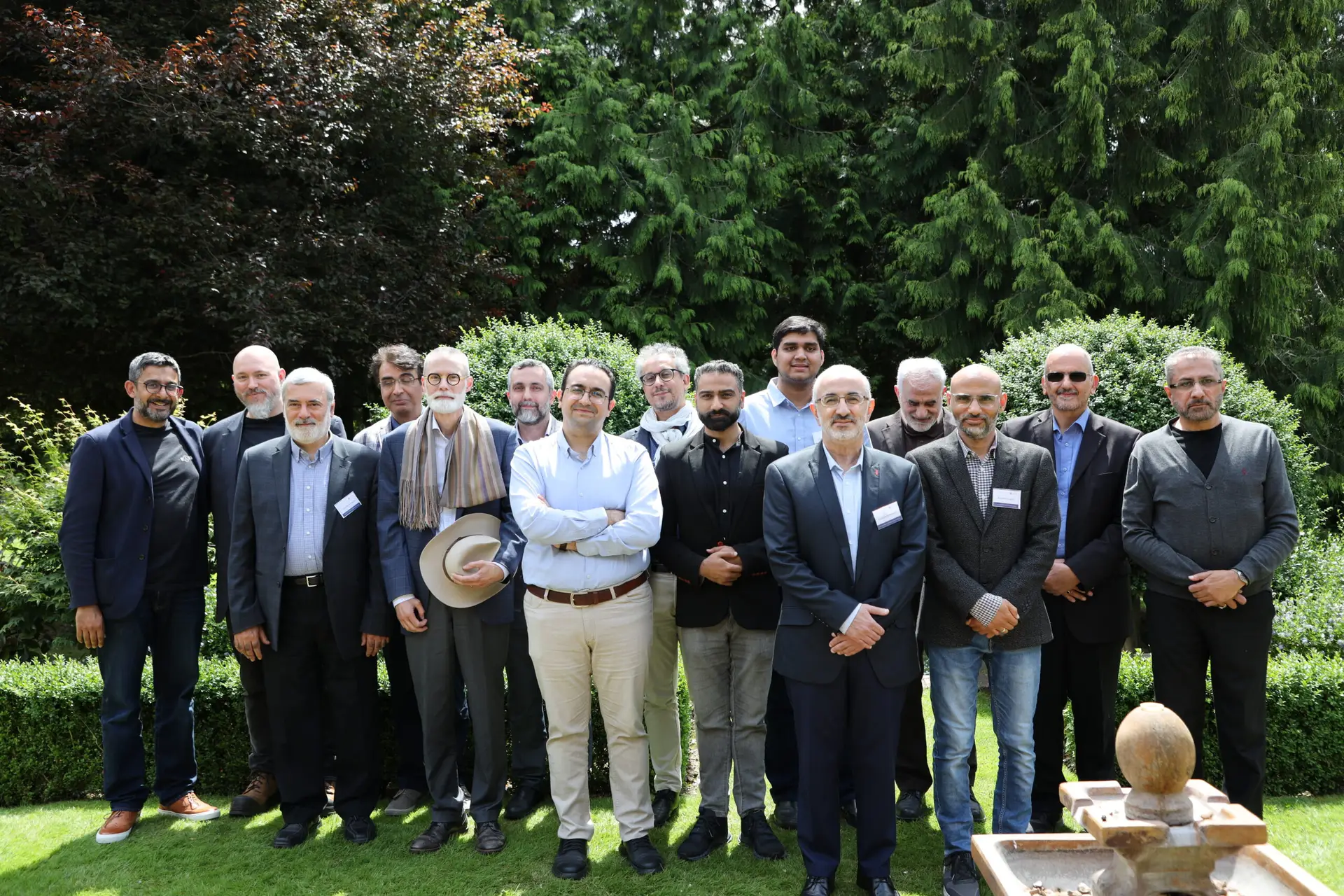
Institutions such as the Al-Mahdi Institute in the UK, and similar seminaries in North America and Europe, demonstrate how the Hawza can thrive in a new context. By combining rigorous traditional learning with exposure to modern disciplines, these centres nurture scholars who are not only rooted in their heritage but also equipped to contribute to wider society.
In the end, the Hawza in the West is not a replacement for Najaf or Qom. Rather, it is an extension of their spirit—an attempt to live the seminary tradition in a new setting. Its task is both delicate and vital: to preserve the richness of Islamic thought while ensuring that it remains a living, breathing resource for Muslims navigating the complexities of the modern world.