Tracing ḥadīth from its origins to contemporary debates
As one of Al-Mahdi Institute’s six specialist research areas, Hadith and History examines the authentication, transmission, and historical setting of ḥadīth across different Muslim traditions. We analyse the processes of canonisation and the theological and political forces that shaped ḥadīth literature. Under the guidance of our Research Lead, our activities include a biannual international conference, research seminars, book reviews, and fellowships. Our scholarship bridges early Islamic history with ongoing debates in contemporary ḥadīth studies.
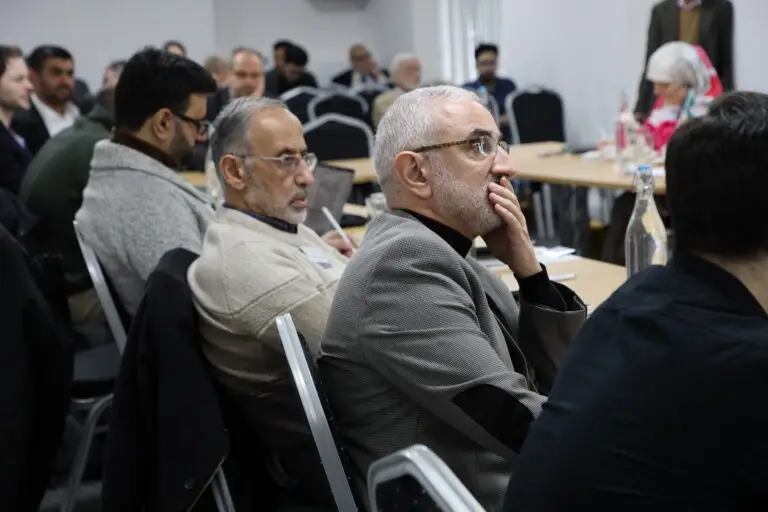
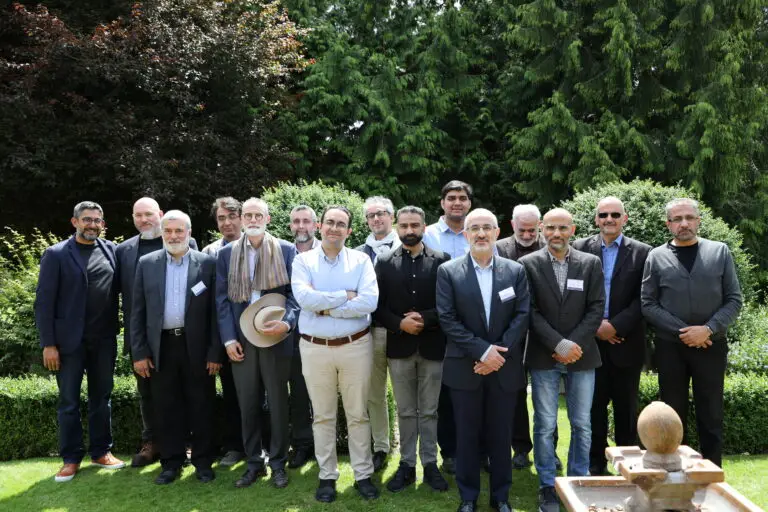
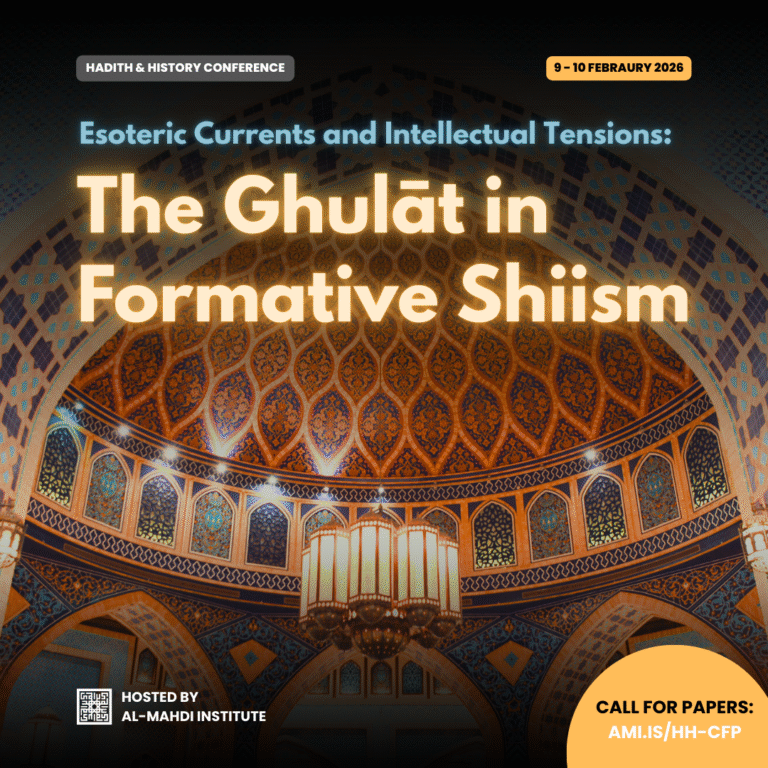
Our biannual international conference brings together leading scholars to critically examine the transmission, authentication, and canonisation of ḥadīth. These gatherings highlight the historical, theological, and political forces that shaped the formation of ḥadīth literature.
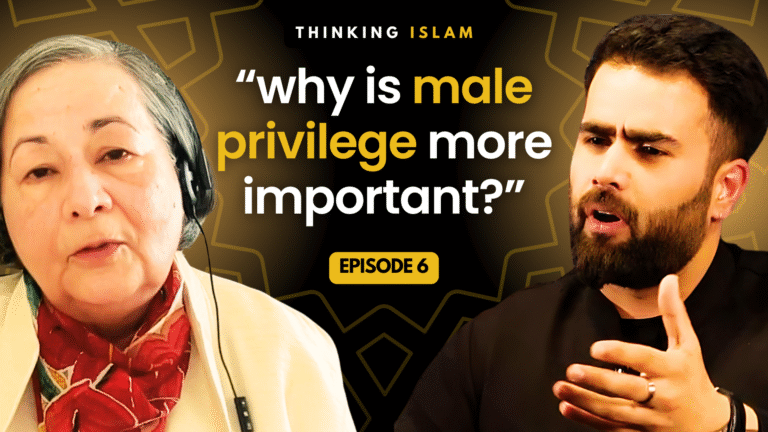
Through podcasts, lectures, and book talks, we share research on ḥadīth and early Islamic history with wider audiences. These productions extend scholarly conversations beyond academia and make complex debates more accessible.
Our seminars host international academics presenting cutting-edge work on the study of ḥadīth, early Islamic historiography, and sectarian debates. These sessions foster exchange and deepen understanding of how ḥadīth has shaped Muslim thought.
Proceedings from our conferences are published in edited collections, preserving innovative scholarship. These volumes contribute to the growing field of contemporary ḥadīth studies and its relevance today.
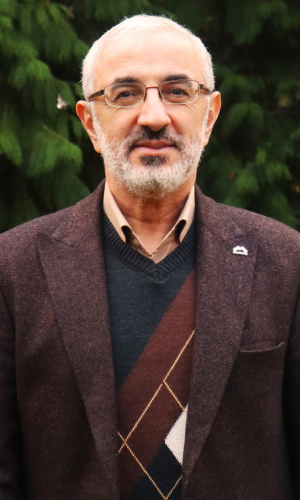
Haidar Hoballah, PhD (2020), University of Religions and Denominations, is Senior Lecturer in Hadith Studies at Al-Mahdi Institute. After completing his hawza studies in 1995, he pursued MA degrees in Qur’anic and Hadith Studies before earning a PhD in Comparative Religions and Christian Theology. He has authored numerous book and articles across jurisprudence, legal theory, theology, philosophy, and Qur’anic and hadith studies. Dr Hoballah taught at intermediate and advanced levels in the Hawza of Qom for more than 15 years, including baḥth khārij from 2005. He has also supervised many MA and PhD theses at leading seminaries and universities in Qom.
We welcome collaboration in advancing Hadith and History studies. Whether through submitting papers, participating in events, accessing our resources, or proposing joint projects, join us in fostering thoughtful scholarship.