Call for Papers: Esoteric Currents and Intellectual Tensions: The Ghulāt in Formative Shiism
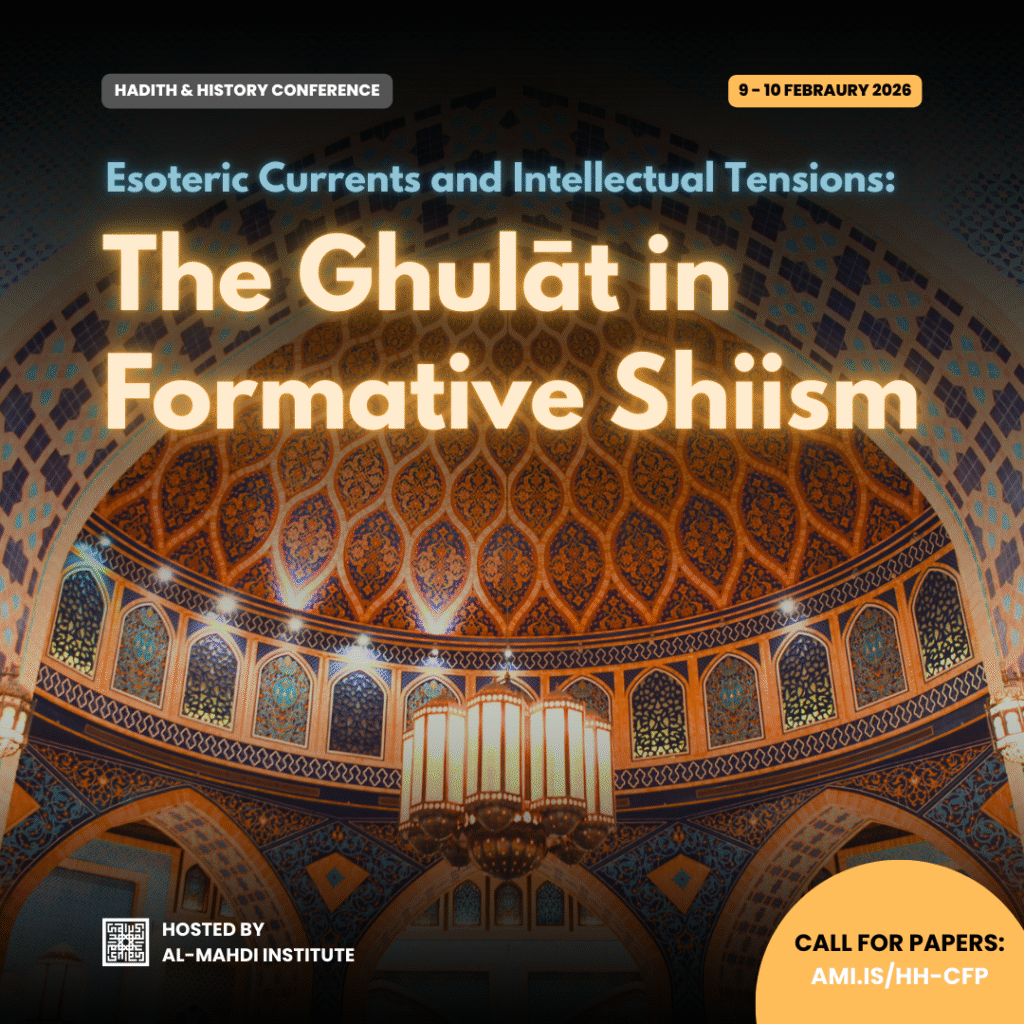
Join us for the Hadith and History conference, ‘Esoteric Currents and Intellectual Tensions: The Ghulāt in Formative Shiism,’ hosted by Al-Mahdi Institute on 9th – 10th February 2026. This event will explore the ghulāt movements within early Shiism and their impact on the Imāmī tradition. Scholars are invited to submit abstracts on the historical and theological dimensions of these movements. Don’t miss this chance to engage in essential discourse in Islamic studies!
AMI and De Gruyter Brill Announce New Publishing Partnership in Islamic Studies
We are delighted to announce a groundbreaking publishing partnership between Al-Mahdi Institute and De Gruyter Brill, one of the world’s leading academic publishers in the humanities and social sciences. This collaboration represents a transformative moment for Islamic Studies scholarship and marks a significant milestone in our mission to advance academic knowledge and cross-cultural understanding. This […]
Shi’i Seminaries in Najaf
In this episode of Thinking Islam, Dr. Asma Barlas joins us to interrogate whether God, described as supremely just in the Qur’an, could be seen as biased towards men. With verses like qiwamah and the so-called “wife beating” verse, does the Qur’an truly promote equality and egalitarian ideals, or does it embed a vision of […]
Latest Publications by Dr Haidar Hobballah
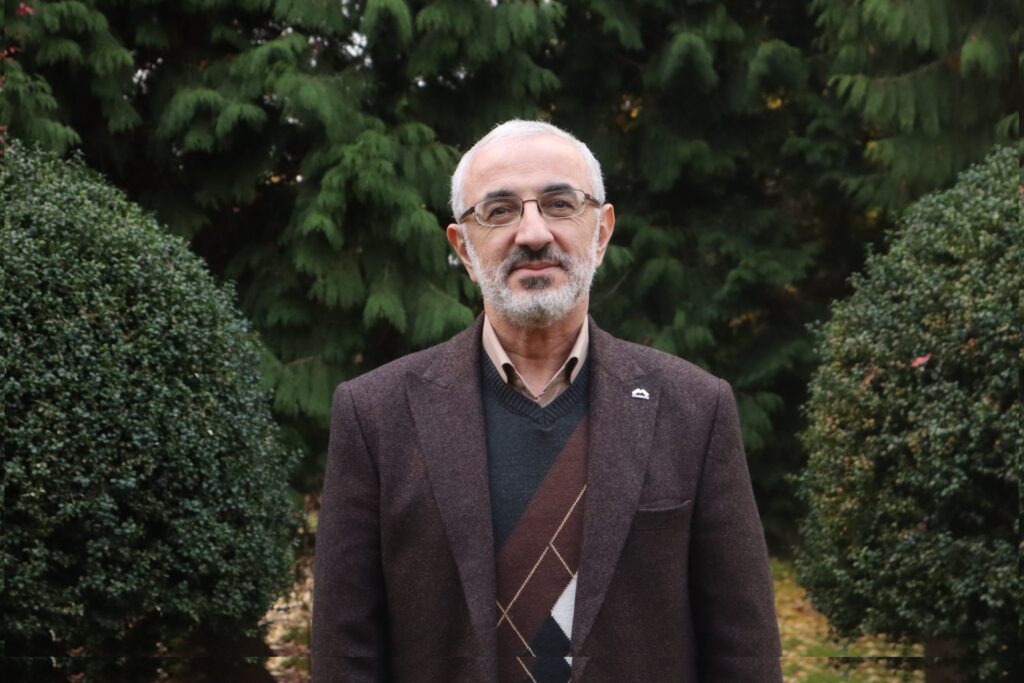
Over the past few months, Dr Haidar Hobballah has published a series of important works that continue to enrich Islamic intellectual and legal discourse. These publications highlight his commitment to exploring pressing questions in Islamic law, Qur’anic studies, and modern religious thought. Expanding the Boundaries of Sharīʿa – Volumes One & Two Drawing […]
Islam and mental health
Islam and mental health in the modern world
Hawza in the West
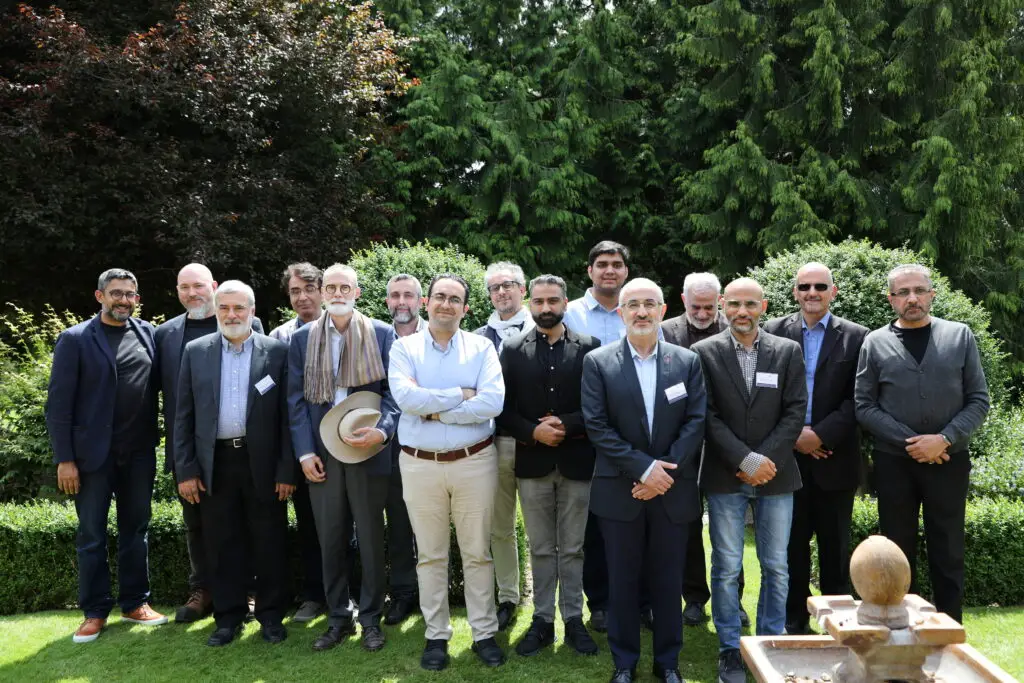
The Hawza, vital to Shiʿi life, is evolving with Western institutions, changing how Islamic scholarship is taught. While facing challenges like language barriers, these Hawzas create opportunities for dialogue with other traditions. By blending traditional learning with modern disciplines, they prepare scholars for contemporary issues. Discover how the Hawza is adapting to today’s Muslim communities.